

Problems We Solve
Not sure what you're dealing with? Start here. We've broken down the most common pest and wildlife problems in the region — by species, by symptom, by situation.
Got a Rodent Problem?
Hearing something in the walls? Finding droppings or chew marks? The species matters — treatment starts with knowing what you're dealing with. Identify what you're seeing below, then learn how we approach it.


Insect Issues in the Region
Seeing ants, wasps, or spiders around the home? Noticing nests, trails, or damage? The species matters — treatment varies widely depending on what's active and where.

Ants
Ant colonies spread quickly and require targeted treatment to eliminate the source, not just visible activity.

Hornets
Hornets are aggressive stinging insects that require careful removal for safety.

Yellow Jackets
Highly territorial insects that often build nests near homes and outdoor areas.

Spiders
Spiders can quickly spread indoors and create webs in corners, ceilings, and hidden spaces.

Venomous Spiders
Certain species pose health risks and should be handled with caution and proper identification.

Box Elder Beetles
These pests gather in large numbers and can become a nuisance around windows and siding.

Stink Bugs
Stink bugs enter homes seasonally and release unpleasant odors when disturbed.

Carpet Beetles
These pests damage fabrics, carpets, and stored materials over time.

Cockroaches
Cockroaches spread bacteria and hide well. Surface treatment alone won't solve it — you have to get to the source.

Mites
Microscopic pests that can cause irritation and spread through fabrics and surfaces.

Fabric Moths
These pests damage clothing, upholstery, and natural fibers if left untreated.

Pantry Moths
Pantry moths infest stored food and can quickly contaminate dry goods.

Millipedes
Millipedes enter homes in damp conditions and often gather in basements or crawlspaces.

House Centipedes
Fast-moving insects that appear in damp areas and feed on indoor pests.

Fleas
Fleas spread quickly and can affect both pets and living spaces if not treated properly.
Wildlife Getting Too Close?
Hearing something under the deck or in the attic? Seeing damage around the foundation or yard? Wildlife situations depend heavily on the animal involved. Identify what you're dealing with below, then learn how we approach it.

Squirrels
Squirrels often invade attics and roofs, causing structural damage and noise.

Skunk
Skunks den under decks, porches, and sheds — spray when cornered or trapped.

Raccoon
Raccoons are highly destructive and can tear into roofs, attics, and insulation.
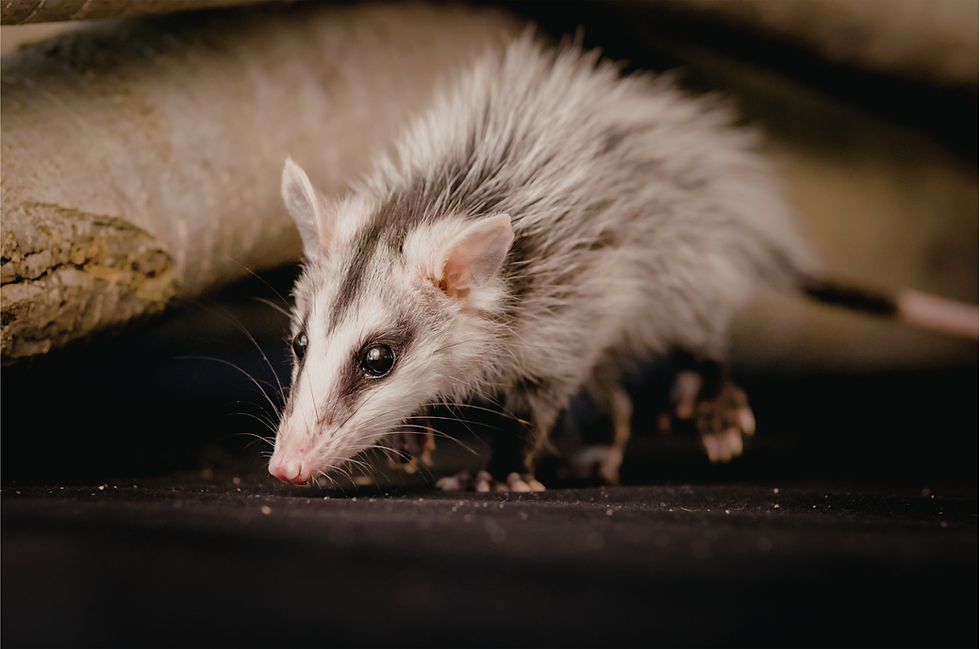
Opossum
Opossums seek shelter in attics and crawlspaces, creating mess and damage.

Coyote
Coyotes can pose risks to pets and livestock when they become active near homes.

Bobcat
Bobcats are rare but can become a concern when they move too close to homes or pets.

Wild Turkey
Wild turkeys can become aggressive and cause damage outdoor areas.

Cougar
Large predators that require immediate attention if seen near homes or populated areas.

Bear
Bears can cause significant property damage and are attracted to food sources.

Deer
Deer can damage landscaping while becoming frequent visitors to properties.

Elk
Elk are large animals that can pose safety risks in certain situations.

Rattlesnake
Venomous snakes that pose serious safety risks and require careful handling.
From Mice to Bears — We've Seen It.
Gorge Central Pest Control handles the full range of pest and wildlife problems in the region — from common household rodents and insects to dangerous wildlife situations most companies won't touch. Every job starts with an honest inspection, and a clear diagnosis.